Beyond the Neon and Tradition: Fascinating and Lesser-Known Facts of Japan
Japan is a country that captures the global imagination like few others. It is a land of striking dualities, where thousands of years of sacred tradition exist in perfect harmony with hyper-futuristic technology. From the bustling pedestrian scrambles of Tokyo to the serene, mist-shrouded bamboo forests of Kyoto, Japan offers an endless array of cultural phenomena that intrigue travelers and sociologists alike.
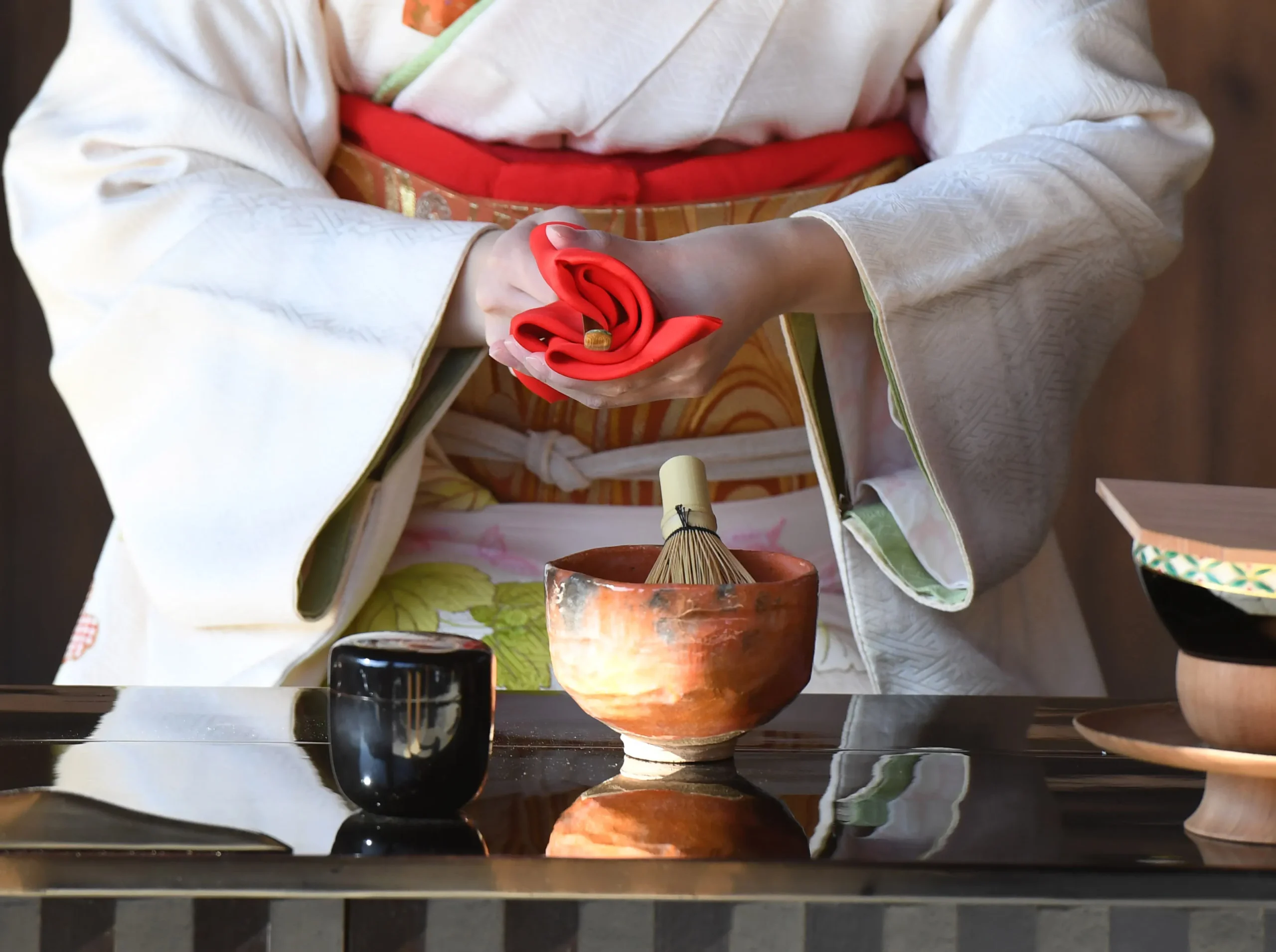
While many people are familiar with Japan’s famous exports—such as sushi, anime, and high-speed bullet trains—the country holds a treasure trove of unique cultural quirks, historical anomalies, and societal structures that go completely unnoticed by the casual observer. Here is an informative and deep dive into the most fascinating facts of Japan that reveal the true identity of the Land of the Rising Sun.
A Nation Shaped by Extreme Geography
To truly understand Japanese culture, one must first look at the unique physical geography of the archipelago. Japan is not a single landmass, but a sprawling volcanic chain consisting of over 14,000 islands, though the vast majority of the population resides on the four largest landmasses: Honshu, Hokkaido, Kyushu, and Shikoku.
Because Japan is situated directly on the Pacific Ring of Fire—a major horseshoe-shaped basin where a large number of earthquakes and volcanic eruptions occur—the country experiences roughly 1,500 earthquakes every single year. This constant seismic activity has deeply influenced Japanese architecture and societal mindsets.
Instead of fighting nature, Japanese engineers have become world leaders in seismic technology, designing skyscrapers with advanced shock absorbers and flexible joints that sway safely during massive tremors. Furthermore, this volcanic landscape gives birth to thousands of onsen (natural geothermal hot springs), which have been a cornerstone of Japanese relaxation, communal bonding, and spiritual purification for centuries.
The Vending Machine Phenomenon and Cash Culture
One of the first things that leaves international tourists in absolute awe when walking through a Japanese city is the omnipresent vending machine, known locally as jidouhanbaiki. Japan boasts one of the highest densities of vending machines in the entire world, with roughly one machine for every 30 citizens.
These machines are not restricted to indoor train stations or major shopping malls; they can be found sitting on remote mountain trails, quiet residential street corners, and agricultural farm roads. Beyond cold sodas and water, Japanese vending machines dispense hot canned coffee, warm bowls of ramen, fresh fruit, umbrellas, and even surgical masks.
The secret behind the success of this phenomenon lies in Japan’s legendary safety and low crime rates. Vending machines are rarely vandalized, broken into, or spray-painted with graffiti. Interestingly, despite being a global leader in high-tech robotics, Japan remains a surprisingly cash-centric society. While digital mobile payments are rising swiftly, carrying physical yen coins and paper bills remains the preferred daily transaction method for millions of citizens.
Collective Responsibility and the Art of Cleanliness
Cleanliness in Japan is not just a personal habit; it is a profound civic duty and a collective cultural value rooted in Shinto and Buddhist philosophies, which equate physical cleanliness with spiritual purity.
Visitors are often shocked to find that Japanese city streets are completely pristine, despite a noticeable lack of public trash cans. This is because citizens adhere to a strict rule of carrying their personal rubbish home with them in their bags to sort and recycle properly.
This deep sense of shared accountability begins early in life. In Japanese elementary and high schools, there are no professional janitors hired to clean the classrooms. Instead, students participate in a daily ritual called o-soji. For fifteen to thirty minutes every afternoon, students pick up brooms, dustpans, and rags to sweep the floors, clean the blackboards, and scrub the hallways themselves. This practice teaches young children humility, respect for their physical environment, and the importance of contributing to the common good of the community.
The Island of Longevity: The Secrets of the Blue Zone
Japan consistently ranks at the very top of global life expectancy charts. The country has a staggering population of centenarians—individuals who live past the age of 100—with a significant concentration found on the southern island of Okinawa, which is officially recognized as one of the world’s premier geographic “Blue Zones.”
This incredible longevity is attributed to a combination of genetics, regular low-intensity physical movement, and a highly nutritious diet centered around fresh seafood, fermented soy products, green tea, and seasonal vegetables.
However, the psychological aspect of Japanese longevity is just as important as the physical diet. The Japanese lifestyle places immense value on the concept of ikigai, which translates closely to “a reason for being” or your daily purpose in life. Older generations in Japan rarely believe in the Western concept of absolute, sudden retirement. Instead, they remain active community members, tend to complex vegetable gardens, and participate in moai—clique-like social support groups that meet regularly to provide financial, emotional, and social security throughout old age.
Conclusion
Japan remains one of the most enigmatic, resilient, and fascinating nations on Earth. By looking beneath the surface of its glossy pop-culture exterior, we find a country that has masterfully engineered solutions to geographic instability, cultivated an unparalleled culture of public safety, and preserved a deep sense of social harmony. Whether it is through the simple efficiency of a street-corner vending machine or the profound wisdom of living a life driven by ikigai, the facts of Japan remind us that progress does not require erasing your heritage. It is this beautiful, delicate dance between the ancestral past and the infinite future that makes Japan a truly unforgettable marvel.