The Ultimate Guide to American Classic Cars for Sale: Finding Your Dream Ride
There is something undeniably magical about the roar of a vintage V8 engine, the gleam of oversized chrome bumpers, and the sweeping lines of a classic American automobile. For decades, Detroit was the epicenter of the automotive world, churning out vehicles that were not just modes of transportation, but symbols of freedom, innovation, and the open road.
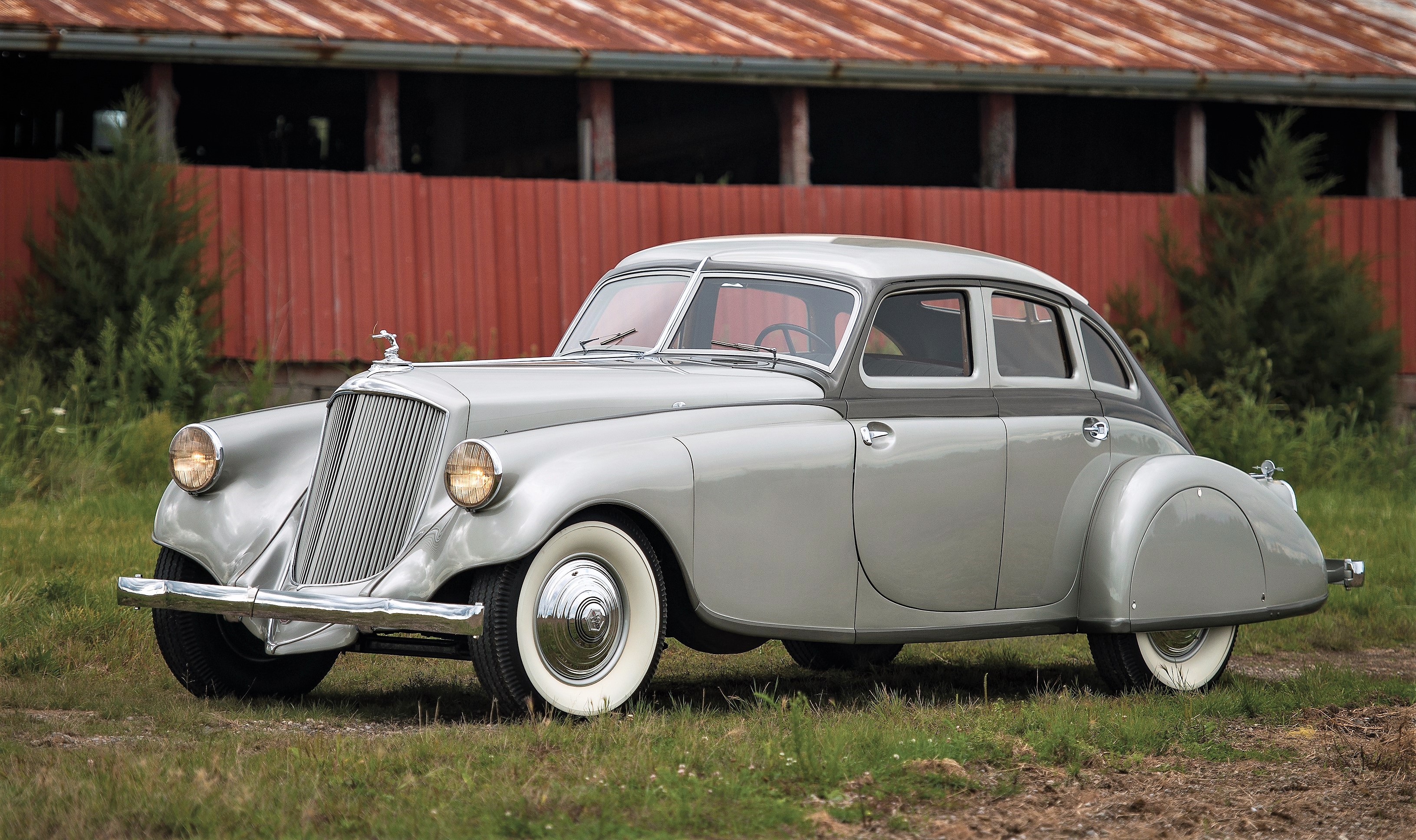
Today, the market for classic American cars for sale is booming. Whether you are a seasoned collector looking for a concours-quality investment or a backyard mechanic searching for a rewarding weekend project, navigating this market requires a mix of passion, research, and strategy.
The Timeless Appeal of American Iron
Before diving into the buying process, it helps to understand why these vehicles remain so highly sought after. Unlike modern cars, which often prioritize aerodynamics and fuel efficiency at the expense of distinct styling, classic American autos were bold statements of art.
The market generally divides these vehicles into a few highly desirable eras:
- The Golden Age of the 1950s: Characterized by massive tailfins, pastel paint jobs, and heavy chrome, epitomized by cars like the Chevrolet Bel Air and Cadillac Eldorado.
- The Muscle Car Era (Mid-1960s to Early 1970s): A period defined by raw horsepower and aggressive styling, giving birth to legends like the Ford Mustang, Dodge Charger, and Chevrolet Chevelle.
- The Post-War Cruisers: Elegant, substantial vehicles from the late 1940s that prioritized comfort and smooth driving.
Owning one of these vehicles is about more than just aesthetics; it is about preserving a piece of industrial history and enjoying a visceral driving experience that modern digital cars simply cannot replicate.
Where to Find Classic American Cars for Sale
Finding the perfect vintage vehicle used to mean scouring the local newspaper classifieds or driving through rural areas looking for “For Sale” signs on front lawns. While those methods still yield occasional hidden treasures, the digital age has completely transformed the hunt.
Specialized Online Marketplaces
Websites dedicated exclusively to vintage vehicles are the most popular starting point. Platforms like Hemmings, ClassicCars.com, and AutoTrader Classics host tens of thousands of listings from both private sellers and specialized dealers. These sites allow you to filter by make, model, year, and location, making it easy to track down specific variants.
Automotive Auctions
For high-quality restorations and rare matching-numbers muscle cars, classic car auctions are unmatched. Companies like Barrett-Jackson, Mecum Auctions, and Bring a Trailer offer a thrilling, fast-paced environment to buy vehicles. While auctions provide transparency regarding bidding, buyers must factor in additional costs, such as buyer’s premiums and transportation fees.
Enthusiast Forums and Clubs
If you are looking for a specific model, joining car clubs or online forums dedicated to that vehicle (such as a dedicated Corvette or Pontiac GTO forum) can be incredibly fruitful. Members often list their well-maintained vehicles within the community before putting them on the open market.
Essential Tips for Smart Buyers
Purchasing a classic car is vastly different from buying a modern daily driver. Because these vehicles are decades old, their condition, history, and authenticity heavily dictate their value.
1. Verify the VIN and Documentation
In the classic car world, documentation is everything. Check the Vehicle Identification Number (VIN) to ensure it matches the title and the stamps on the chassis. For high-value muscle cars, look for a “build sheet” or “protect-o-plate,” which proves the car came from the factory with its current engine and options. A “matching-numbers” car—where the engine, transmission, and rear axle are original to the frame—commands a massive premium.
2. Inspect Thoroughly for Rust
While a sputtering engine can often be fixed with a basic tune-up, structural rust can ruin a vehicle and cost thousands of dollars to repair. Inspect the floor pans, rocker panels, trunk floor, and frame rails closely. Bring a magnet to check for excessive body filler (Bondo) hidden beneath fresh paint.
3. Factor in Restoration Costs
If you are buying a project car, be realistic about your budget and skillset. A cheap car that needs a full interior, paint job, and engine rebuild will often end up costing significantly more than buying a completed, turn-key car in excellent condition.
Conclusion
The market for classic American autos for sale offers an incredible journey into the past. Buying one of these iconic machines allows you to own a rolling piece of art that turns heads at every corner.
By taking your time, conducting thorough inspections, and verifying documentation, you can avoid common pitfalls and find a vehicle that brings joy to your garage and value to your financial portfolio. The American road is waiting, and there is no better way to experience it than behind the wheel of a timeless classic.